

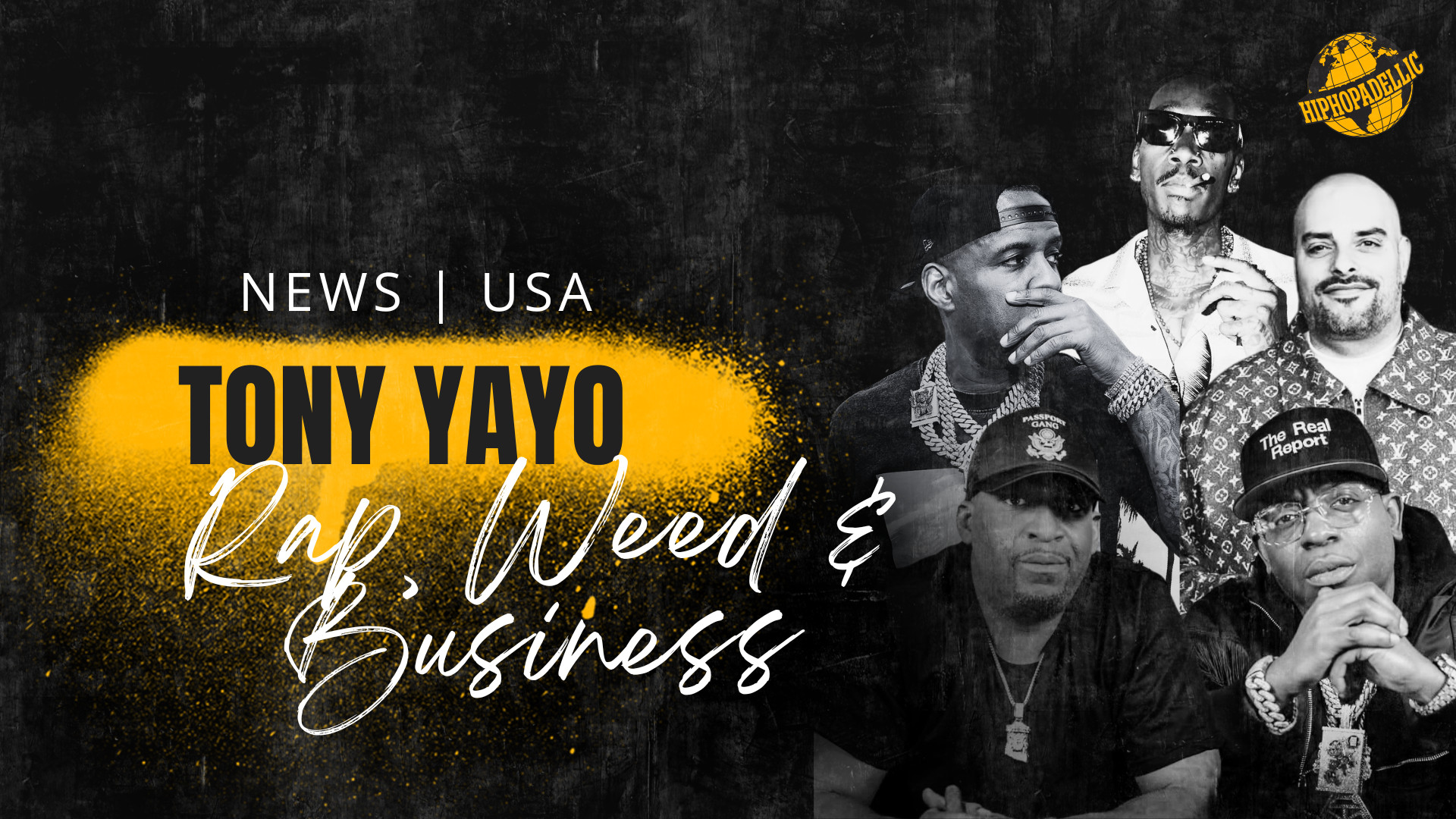

4/20 is not just a date.
It’s a movement.
And this year, Tony Yayo tapped directly into that energy with his new project “The 4:20 Tape”, officially released mid-April 2026.
But this isn’t just another mixtape.
This is rap culture linking up with the global weed economy.
A Project Built Around the 4/20 Culture
The concept is clear from the start.
Tracks like:
- “So High”
- “Smoking Gas”
- “Where’s The Blunt”
…aren’t random titles. They reflect a lifestyle that has been deeply connected to hip-hop for decades.
And Tony Yayo knows exactly what he’s doing:
dropping a weed-themed project on 4/20
tapping into a global cultural moment
aligning music with lifestyle and business
Heavy Features — Real Street & Smoke Connection
This project is not solo.
Yayo brings in names that are deeply connected to both rap and cannabis culture:
- Wiz Khalifa — one of the biggest weed-culture icons in hip-hop
- Berner — not just a rapper, but a key figure in the cannabis business (Cookies brand)
- Uncle Murda — longtime collaborator, keeping that street energy alive
Tracks like “So High” and “Block Work” show that mix between lifestyle rap and real street presence.
More Than Music — The Weed Business Behind It
Here’s where it gets interesting.
This is not just about music.
Artists like Wiz Khalifa and Berner have built real cannabis brands and business empires, turning weed culture into a multi-million industry.
Wiz Khalifa built a global image around cannabis lifestyle
Berner co-founded Cookies, one of the biggest cannabis brands worldwide
So when they appear on a project like this, it’s not random.
It’s alignment.
music
branding
lifestyle
business
All in one ecosystem.
Tony Yayo’s Position in the Game
Tony Yayo, known as a core member of G-Unit, has always been part of street rap culture.
- Came up with 50 Cent & Lloyd Banks
- Dropped his debut Thoughts of a Predicate Felon in 2005
- Built a catalog of over 20+ mixtapes
With The 4:20 Tape, he’s not reinventing himself.
He’s doubling down on:
street identity
lifestyle rap
cultural timing
HIPHOPADELLIC Take
At HIPHOPADELLIC this drop is interesting for one reason:
it shows how hip-hop keeps evolving beyond music
This is not just about bars.
This is about:
- timing
- culture
- business integration
The connection between rap and weed has always been there.
But now it’s structured.
Monetized.
Global.
And projects like this prove:
artists are not just dropping songs
they’re building ecosystems
The Real Question
Is this just a 4/20 drop?
Or is this another example of how:
hip-hop culture
lifestyle branding
…and business
…are merging into one lane?