

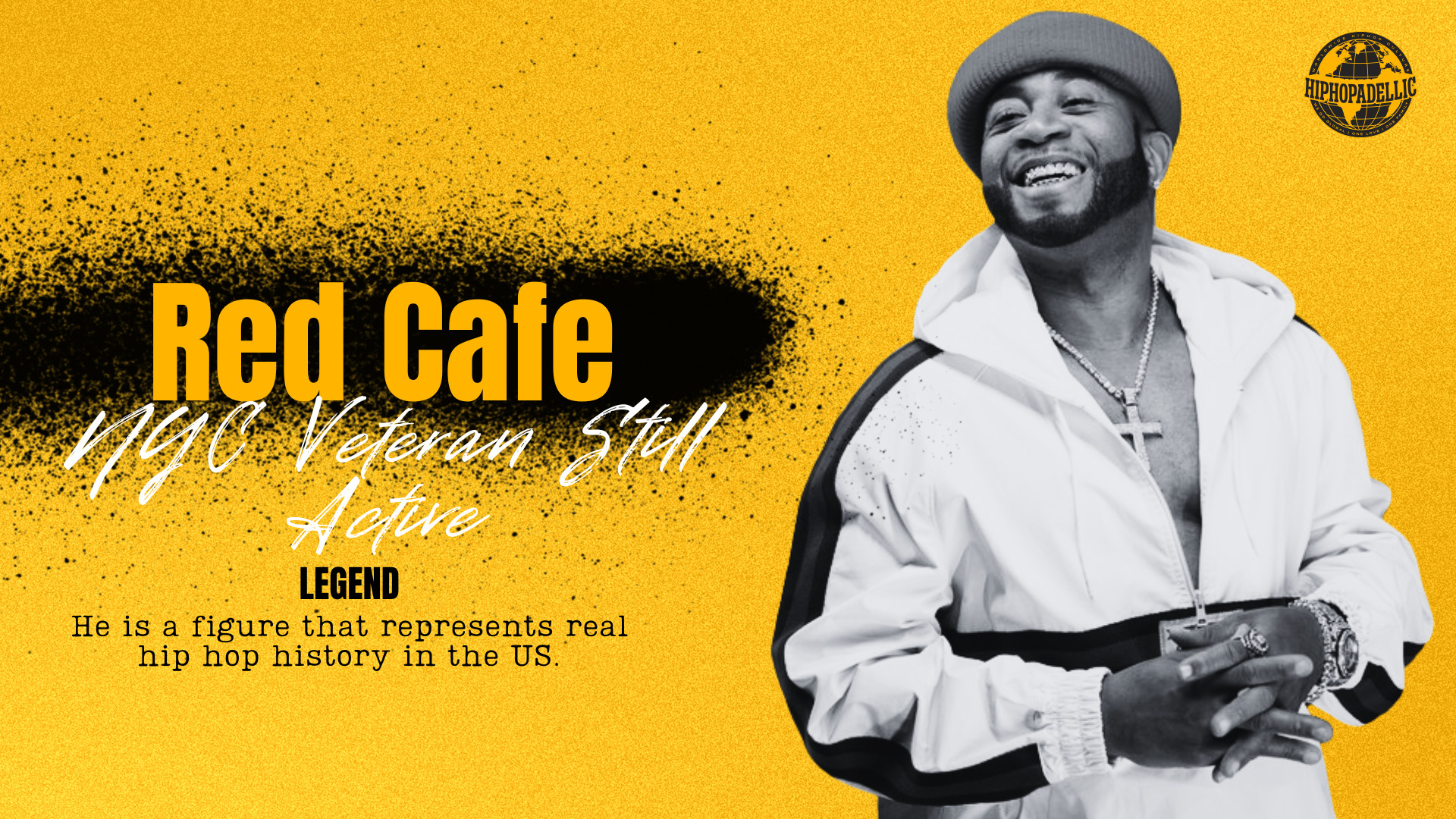
When you talk about longevity in American rap, one name that often flies under the radar but carries real weight is Red Café. For many, he represents a generation of artists who built their careers before streaming, before social media hype, and stayed relevant through pure consistency and industry respect.
Early Moves And The Coach Carter Era
Red Café’s journey goes back to the early 2000s, a time when hip hop still lived heavily through film soundtracks and physical releases. He contributed to music connected to the film Coach Carter, placing him early in an era where rap and cinema were closely tied. Those placements were not just exposure, they were validation. Being part of that ecosystem meant you were already moving at a serious industry level.
From there, Red Café continued to build his reputation through collaborations, writing, and affiliations with major figures in the US rap scene. His name has long been connected to New York’s core sound, even when trends shifted toward other regions.
A Respected Name In The Game
While he may not always dominate headlines, Red Café is widely viewed as a respected figure in the culture. The kind of artist other artists know, reference, and work with. That is a different kind of legacy. Not just chart success, but staying power.
For many listeners, especially those who followed the early 2000s era, Red Café represents a bridge between generations. From the mixtape era to the streaming age, he has stayed active and present.
2026: A New Chapter With “Once In A Red Moon”
On April 17, 2026, Red Café released his latest project, Once In A Red Moon. The title itself suggests something rare, a moment that does not come often, and that fits his career trajectory.
This album arrives at a time when many artists from his era have either stepped back or slowed down. Red Café does the opposite. He continues to create, to release, and to remind listeners of his place in the culture.
HIPHOPADELLIC Take
Red Café is one of those artists who may not always be in the mainstream spotlight but has built a legacy that goes beyond numbers. From early soundtrack placements like the Coach Carter era to a 2026 album release, his career shows what longevity really looks like.
In our eyes, he is a figure that represents real hip hop history in the US.
And with Once In A Red Moon, he proves that the story is still being written.